Winter in Snohomish County isn’t about blizzards. It’s about months of gray skies, steady drizzle and afternoons that go dark before five. That kind of weather is easy to live with once you know what it does to an apartment, and a little frustrating if you don’t. Whether you just moved into one of our Everett one bedroom apartments or you’ve been renting here for years, these tips will make winter apartment living a lot more comfortable from November through March.
Get Ahead of Condensation and Mold
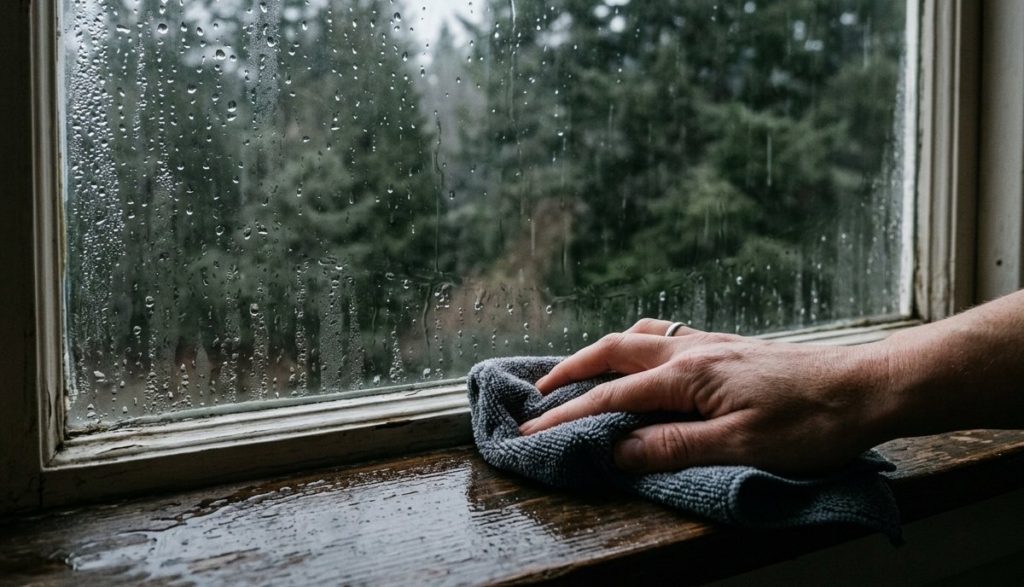
Pacific Northwest damp is the biggest challenge of winter apartment living here. Cold windows meet warm, humid indoor air, and by morning there’s water pooled on the sills. Leave it there for a few weeks and you’ll start to see black spots on the window frames, behind furniture and in bathroom corners.
The fix is mostly about moving moisture out of your home:
- Run the bathroom fan during every shower and for at least 20 minutes after.
- Use the range hood when you cook, especially when boiling water.
- Wipe down window sills and glass on cold mornings.
- Keep furniture a few inches away from exterior walls so air can circulate.
- Avoid drying laundry on racks indoors if you can use a dryer instead.
- Crack a window for a few minutes on drier days to let damp air out.
The EPA’s guide to mold and moisture recommends keeping indoor humidity below 60 percent, ideally between 30 and 50 percent. A cheap humidity meter from the hardware store can tell you where your apartment stands. If you notice mold spreading or a musty smell that won’t go away, report it right away instead of waiting.
Keep Your Electric Bill in Check
Most apartments in the county heat with electric baseboards or wall heaters, and Snohomish County PUD bills tend to climb fast once the rain settles in. A few habits keep winter apartment living affordable:
- Set the thermostat to around 68 degrees when you’re home and lower it at night or when you’re out.
- Heat the rooms you use. Close doors to spare rooms and turn their heaters down.
- Keep baseboard heaters clear of curtains, couches and boxes. Blocked heaters work harder and can be a fire risk.
- Use thermal curtains and pull them closed after dark.
- Put draft stoppers at the bottom of exterior doors.
- Swap to LED bulbs, since you’ll be using lights a lot more once it’s dark by late afternoon.
Snohomish County PUD also has energy saving tips and payment options on its website, which can help smooth out a high January bill.
Handle Icy Parking Lots and Walkways
Snow doesn’t happen often here, but when it does, the whole region slows down. A few inches of snow or a hard overnight freeze can turn parking lots and stairs slick for days, especially in the shaded spots that never see the sun.
A few habits make those days easier:
- Keep an ice scraper and a small bag of ice melt in your car.
- Wear shoes with real tread instead of sneakers.
- Leave a few extra minutes in the morning and take stairs slowly.
- Tell the office about icy spots you notice near entrances or walkways.
Prepare for Windstorms and Power Outages
Snohomish County’s biggest winter surprises usually come from wind, not snow. Strong storms off the Sound can knock down branches and power lines, and outages sometimes last a day or more in neighborhoods with lots of tall evergreens. A small kit makes winter apartment living far less stressful when the lights go out:
- Flashlights or battery lanterns, never candles left burning unattended
- A charged power bank for each phone
- A few days of shelf stable food and bottled water
- Extra blankets and warm layers
- Any medications you need, refilled before the storm hits
Never use a grill, camp stove or generator indoors or on a covered balcony. Carbon monoxide builds up fast in small spaces, and it’s one of the most common winter emergencies in the region.
Winter With Pets
Rainy months mean muddy paws, shorter walks and restless dogs. Keep a towel by the door, put down a washable mat and look for indoor play ideas on the darkest days. Our guide to renting with pets in Snohomish County has more ideas for keeping pets and apartments happy all year.
Report Maintenance Early
The best winter apartment living tip is simple: report problems early. A small leak around a window, a heater that clicks but never warms up or a slow drain is easy to fix in November. Wait until January and it can turn into water damage, mold or a cold apartment during a cold snap.
Use the resident portal to submit requests and include photos when you can. Watch for:
- Water stains on ceilings or around windows
- Heaters that won’t turn on or smell like burning dust for more than a few minutes
- Drafty doors or windows that won’t latch tightly
- Gutters overflowing near your unit
- Any persistent musty odor
Stay Bright During the Dark Months
Short days affect more than your electric bill. Open blinds during daylight hours, sit near windows while you work and try to get outside for a walk whenever the rain lets up. Everett’s waterfront paths, Lynnwood’s parks and the Centennial Trail near Marysville and Arlington are all good options on a dry afternoon. Small routines like these make winter apartment living feel less like waiting for spring.
Find Your Next Home in Snohomish County
Williams Investments manages apartment communities in Everett, Marysville, Lynnwood and nearby cities, with responsive maintenance and leasing teams who know what winter apartment living in the Pacific Northwest really brings. If you’re looking for a new place before the holidays, browse our Marysville apartment communities along with our Everett and Lynnwood listings.
You can also visit our Everett office on Colby Avenue to talk with our team in person.
Frequently Asked Questions
How do I stop condensation on my apartment windows in winter?
Run bathroom and kitchen fans, wipe windows on cold mornings, keep furniture off exterior walls and avoid drying laundry indoors. Keeping indoor humidity between 30 and 50 percent makes the biggest difference.
What temperature should I keep my apartment in winter?
Around 68 degrees while you’re home is comfortable for most people and helps keep electric bills down. Lower it a few degrees at night or when you’re away.
Why is my electric bill so high in the winter?
Most apartments here use electric heat, and heaters run much more during cold, damp months. Longer nights also mean more lighting. Closing off unused rooms and sealing drafts can help.
Who is responsible for mold in an apartment?
Landlords handle mold caused by leaks or building problems, while renters help prevent mold by managing everyday moisture. Report mold quickly so it can be cleaned up and the cause fixed.
What should I do if my apartment heater stops working?
Check the thermostat and the breaker first. If it still won’t heat, submit a maintenance request right away so it can be repaired before temperatures drop further.
Does it snow much in Snohomish County?
Not usually. Most winters bring only a few snowy or icy days, but even small amounts can make roads, stairs and parking lots slippery.